热门短剧《Enemy》阅读填空
- 2026-10-09 11:45:50
Social Media Digest
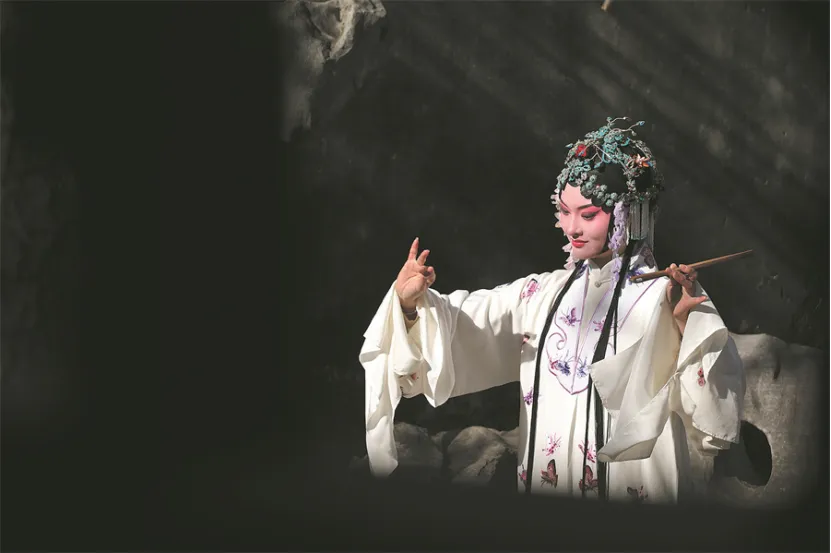
Chinese cultural elements, like traditional opera, continue to captivate young audiences.
中国传统文化元素,比如传统戏曲,依然能够吸引年轻观众。
Viral vendetta
During this year's Labor Day holiday, while crowds flocked to major tourist attractions, a very different kind of sensation was taking shape online. The micro-short drama series Enemy went viral on May 4, garnering over 760 million views on Douyin.
在今年的劳动节假期期间,当人们纷纷涌向各大旅游景点时,一种截然不同的现象却在互联网上悄然兴起。微短剧《敌人》于 5 月 4 日在抖音上迅速走红,播放量超过 7.6 亿次。
At first glance, Enemy seems like a survival-game thriller, with two protagonists cast as fated enemies. Yet beneath that surface lies a tragic love story from another lifetime.
乍一看,《敌人》似乎是一部关于生存的惊悚片,其中有两个主角被设定为命中注定的敌人。然而,在这层表象之下,隐藏着一段来自另一个时代的悲惨爱情故事。
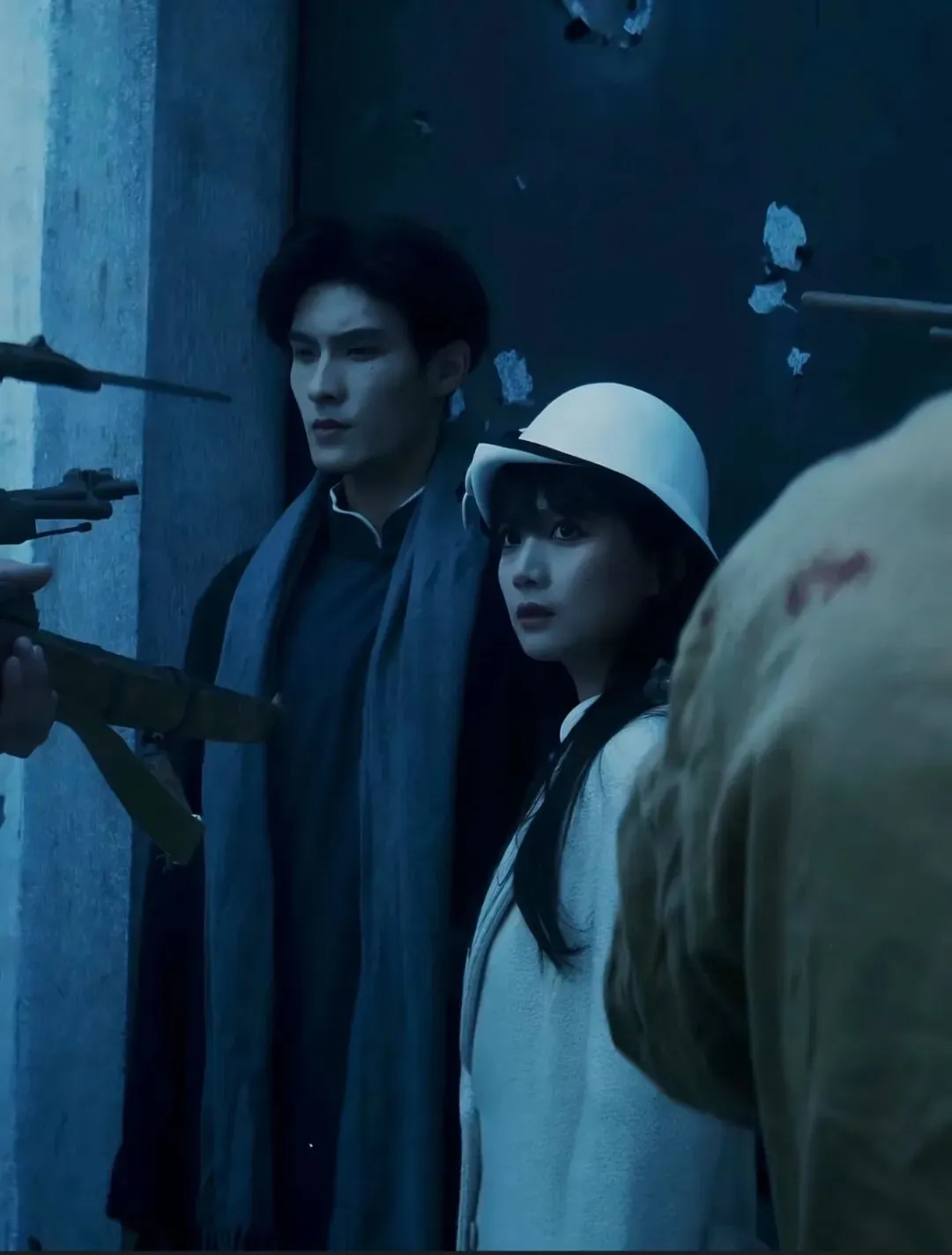
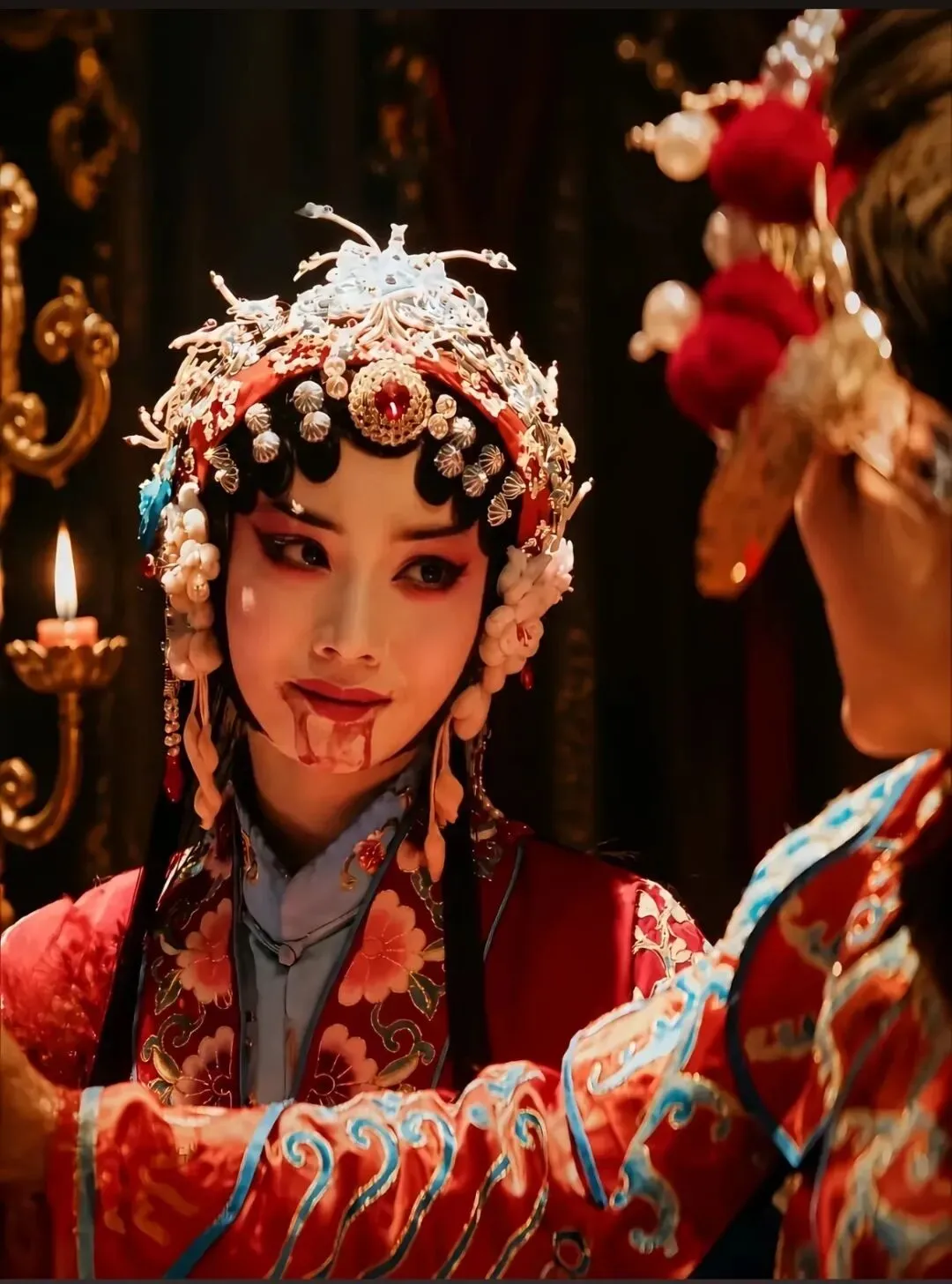
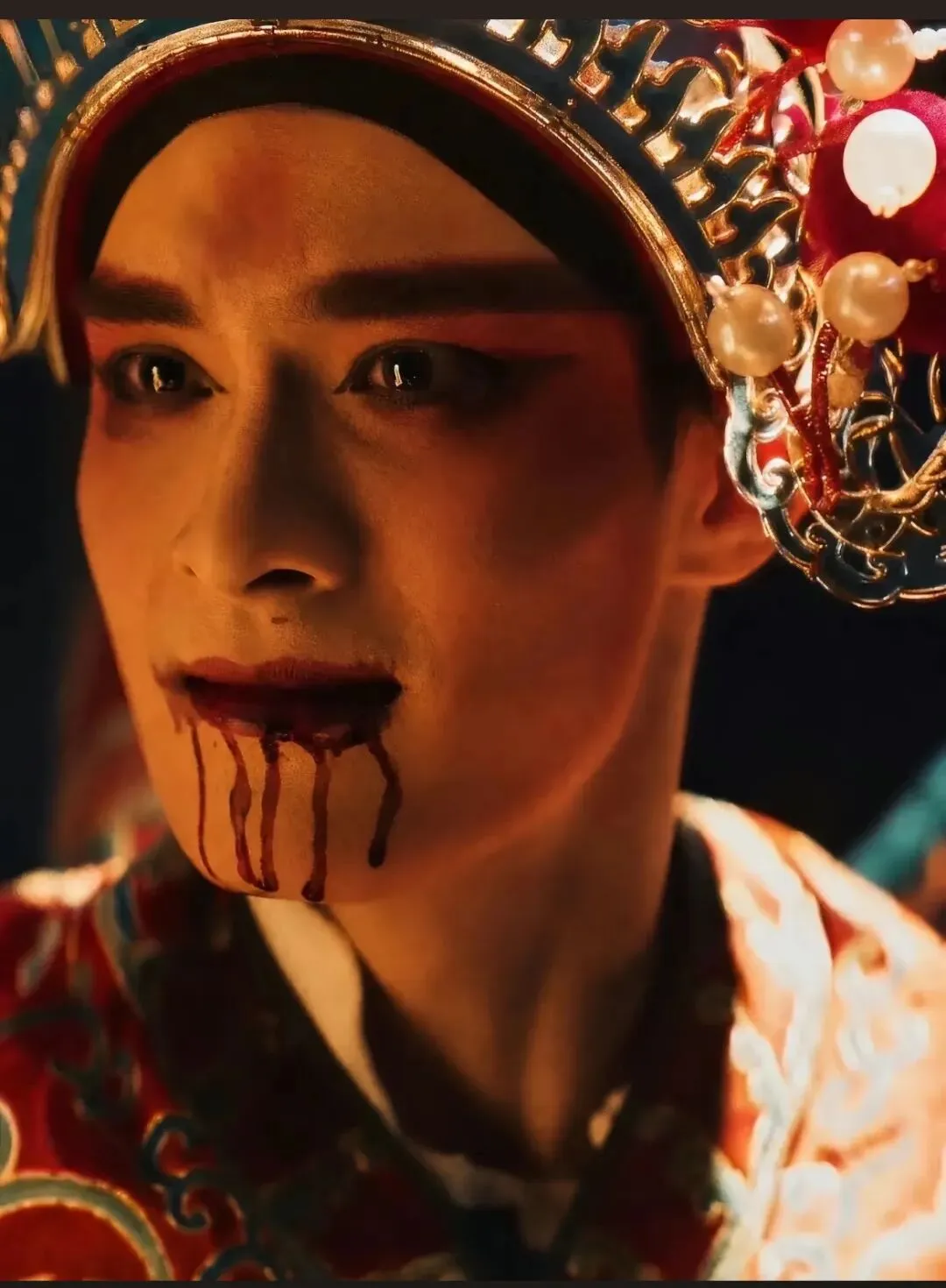
In their past lives, the two characters were childhood companions and lovers. Set against the backdrop of the Nanjing Massacre, the historical storyline follows these two traditional Chinese opera performers as they are forced by Japanese invaders to perform in a propaganda play. Feigning obedience, they secretly resist, ultimately choosing to poison themselves and their captors, dying together onstage.
在他们过去的生活中,这两个人曾是儿时的玩伴和恋人。故事背景设定在南京大屠杀时期,历史情节围绕着这两位中国传统戏曲演员展开,他们被迫在一场宣传剧中表演,而日本人则企图借此来宣传他们的侵略行径。他们表面上顺从,实际上却暗中反抗,最终选择自尽并毒死囚禁他们的人,一同在舞台上结束生命。
Remarkably, the viral hit was created by just two young content creators, Zhang Wenchu and Yang Xiyun. With a limited budget, they handled nearly every aspect of production themselves — even hand-making costumes to recreate Republican-era China.
令人惊讶的是,这部热门影片是由两位年轻的创作者张问楚和杨茜云共同完成的。他们仅投入了有限的资金,却亲力亲为处理了影片制作的几乎所有环节——甚至亲手制作服装,以重现民国时期的中国景象。
The popularity of Enemy reflects young audiences' growing appetite for sincere storytelling. In an era increasingly saturated with AI-generated content, viewers are still drawn to stories shaped by emotional depth and genuine creative devotion.
《敌人》这部作品的受欢迎程度反映了年轻观众对于真诚叙事的日益增长的渴望。在这样一个充斥着大量由人工智能生成内容的时代,观众仍然被那些蕴含着深厚情感和真正创作热情的故事所吸引。
填空版: